
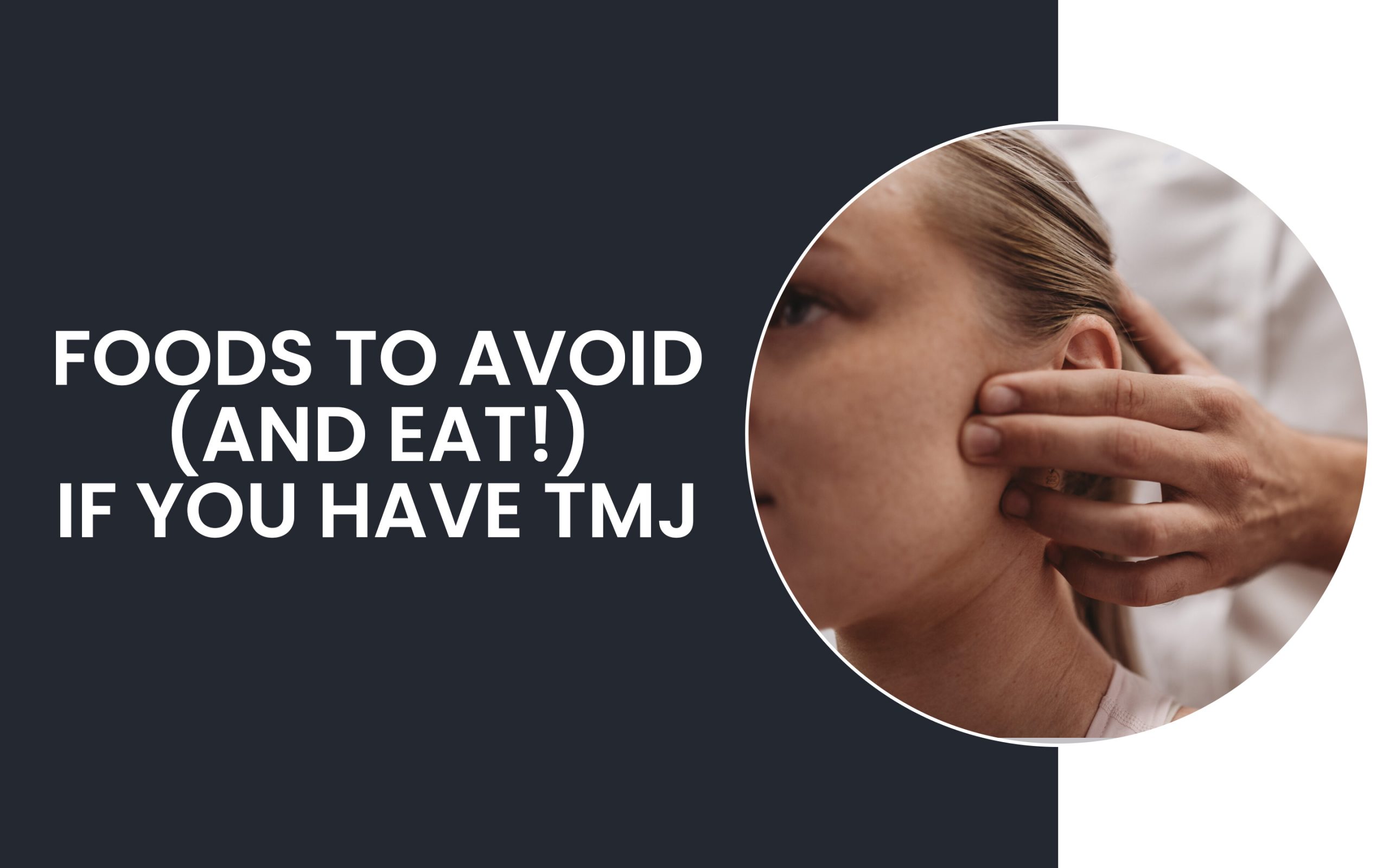
TMJ disorders cause persistent jaw discomfort, limited mobility, and muscle tension that worsens with the wrong food choices. Hard foods like raw carrots and nuts, chewy textures like bagels and steak, and sticky options like caramel put repeated strain on an already sensitive joint.
Softer alternatives like scrambled eggs, yogurt, mashed potatoes, and cooked fish take the pressure off while still giving your body the nutrients it needs to heal.
Table of Contents
Food That Can Worsen TMJ Symptoms
Hard, chewy, sticky, and inflammatory foods put repeated stress on an already sensitive joint. The more strain each meal places on the jaw, the longer recovery takes, and the more frequently flare-ups occur.
Hard And Crunchy Foods
Crunching on raw vegetables like carrots or snacking on nuts is healthy, but these foods put unnecessary pressure on the jaw. Crunchy products frequently demand repetitive and vigorous chewing, which can produce discomfort and irritation. These are common foods to avoid with TMJ because they can lead to jaw misalignment and muscular fatigue. Try steaming or baking crunchy vegetables as an alternative.
Chewy And Tough Foods
Chewy and Tough Foods
Dense bread rolls, bagels, chewy cuts of meat, and similar textures force the jaw to work harder and longer than it should. The repetitive chewing motion intensifies strain on the joint and surrounding muscles, prolonging discomfort.
Slow-cooked, braised, or steamed proteins break down the tough connective tissue that makes meat hard to chew, making them a much more manageable option.
Sticky And Gummy Foods
Candies, caramel, and similar sticky foods stretch the jaw joint and make it difficult to close the mouth comfortably. Sticky textures also make chewing slower, increasing fatigue and muscle tightness. As part of any TMJ treatment in Phoenix, we often advise our patients to eliminate these from their diets.
Highly Processed Or Inflammatory Foods
Chips, frozen meals, sugary pastries, and foods high in refined sugar and saturated fats drive systemic inflammation throughout the body, including in the jaw joint. Chronic low-grade inflammation slows healing and keeps the joint sensitised even on days when physical strain is minimal.
Reducing processed food intake is one of the more impactful dietary changes for TMJ management since inflammation is a primary driver of persistent symptoms.
Caffeinated And Alcoholic Beverages
Caffeine increases muscle tension and disrupts sleep quality, both of which directly worsen TMJ symptoms. Alcohol has a similar effect on sleep and can cause dehydration, reducing joint lubrication and making morning jaw stiffness more pronounced.
Since rest is crucial in how to treat TMJ, limiting or eliminating these beverages can improve outcomes.
TMJ Friendly Foods That Promote Healing
While avoiding harmful foods is important, consuming supportive foods can help soothe the joint and promote healing. A diet designed for TMJ health emphasizes softness, moisture, and nutrients that reduce inflammation and support muscular repair.
Soft And Easy-to-chew Options
Cooked vegetables, mashed potatoes, oatmeal, scrambled eggs, yogurt, and smoothies allow the jaw to function with minimal resistance. These options reduce stress on the joint while still providing variety and nutritional value.
Cutting food into smaller pieces before eating and chewing on both sides of the mouth equally also reduces the load on any one part of the joint, making these habits worth building alongside dietary changes.
Moist And Tender Proteins
Protein supports tissue repair and is essential during TMJ recovery. Tofu, fish, tender chicken, and slow-cooked meats provide adequate protein without the jaw strain that comes from tougher cuts or preparation methods.
Steaming, braising, and slow cooking all produce the kind of tender, moist texture that requires minimal chewing. Soups and stews are a practical way to combine soft vegetables and proteins in one meal.
Anti-inflammatory Foods
Omega-3-rich foods like salmon, sardines, and flaxseeds reduce inflammation in the joints and surrounding tissue. Leafy greens, berries, and turmeric all contain compounds that actively reduce swelling and support faster recovery.
Building these into daily meals rather than treating them as occasional additions creates a consistently lower inflammatory baseline, making flare-ups less frequent and less intense over time.
Foods Rich In Magnesium And Calcium
Magnesium supports muscle relaxation, making it directly relevant for the jaw tension that accompanies TMJ disorders. Calcium supports bone density and joint strength. Leafy greens, dairy and dairy alternatives, bananas, and nut butters all provide meaningful amounts of both.
Getting these through food rather than supplements is generally more effective since the body absorbs minerals more efficiently from whole food sources.
Hydrating Foods And Fluids
Joint lubrication depends on adequate hydration. Water-rich foods like watermelon, cucumbers, and clear broths are easy to consume and help maintain the fluid environment the joint needs to move comfortably.
Staying consistently hydrated throughout the day rather than drinking large amounts infrequently has a more sustained positive effect on joint comfort and tissue elasticity.

Eating Habits That Help as Much as Food Choices
Beyond what you eat, how you eat plays a significant role in managing TMJ symptoms day to day.
Avoid opening the mouth wide when eating, which means skipping large sandwiches, burgers, and anything that requires a stretched bite. Cut food into small pieces before eating rather than biting into it whole. Chew slowly and evenly on both sides of the mouth to distribute pressure rather than loading one side.
Avoid resting your chin on your hand during meals and try to keep jaw movements small and controlled throughout the day. These habits reduce cumulative strain even on days when your food choices are already soft and manageable.
When To See A Specialist
If jaw stiffness, discomfort, or popping sounds persist despite dietary adjustments, seeking professional care becomes essential. Treatment programs that include medication, treatments, and customised exercises can be customised by advanced care professionals. Scheduling a consultation for TMJ treatment helps prevent further joint deterioration and supports improved oral function. A timely assessment can significantly ease symptoms and promote long-term recovery.
Conclusion
Being mindful of what foods to avoid with TMJ makes a marked difference in day-to-day comfort and long-term outcomes. To promote healthy jaw function and reduce discomfort, it is best to avoid meals with rough textures and irritants and to eat softer foods. A strategic dietary plan becomes a valuable part of recovery, complementing professional care and other therapeutic options. At Paradise Ridge Dentistry, individuals dealing with jaw discomfort benefit from advanced care focused on comfort and long-term relief.
A personalized approach to TMJ treatment ensures each patient receives the attention necessary to ease tension and restore balance. Those searching for TMJ treatment in Phoenix are welcomed with modern solutions and supportive care. Explore the professional guidance of Paradise Ridge Dentistry and a commitment to improving every smile.
FAQs
What foods trigger TMJ flare-ups?
Hard and crunchy foods, chewy meats, sticky candies, and highly processed foods are the most consistent triggers. Caffeinated and alcoholic beverages also worsen symptoms by increasing muscle tension and disrupting sleep.
Is coffee bad for TMJ?
Yes, for most people. Caffeine increases muscle tension throughout the body, including in the jaw muscles, and disrupts the sleep quality needed for recovery. Reducing or eliminating coffee is often recommended as part of dietary management.
What can I eat when TMJ pain is bad?
Smoothies, yogurt, scrambled eggs, mashed potatoes, soft cooked fish, soups, and oatmeal are all easy on the jaw and nutritionally adequate for managing symptoms during a flare-up.
Does diet alone fix TMJ?
No. Diet reduces strain on the joint and lowers inflammation, but it does not address the underlying structural or muscular cause of the disorder. Professional treatment is usually needed for lasting improvement.
How long should I eat soft foods with TMJ?
It depends on the severity of symptoms. Most people benefit from a soft food diet during active flare-ups and gradually reintroduce harder textures as symptoms improve. A dentist or specialist can advise based on the specific cause of your TMJ disorder.