
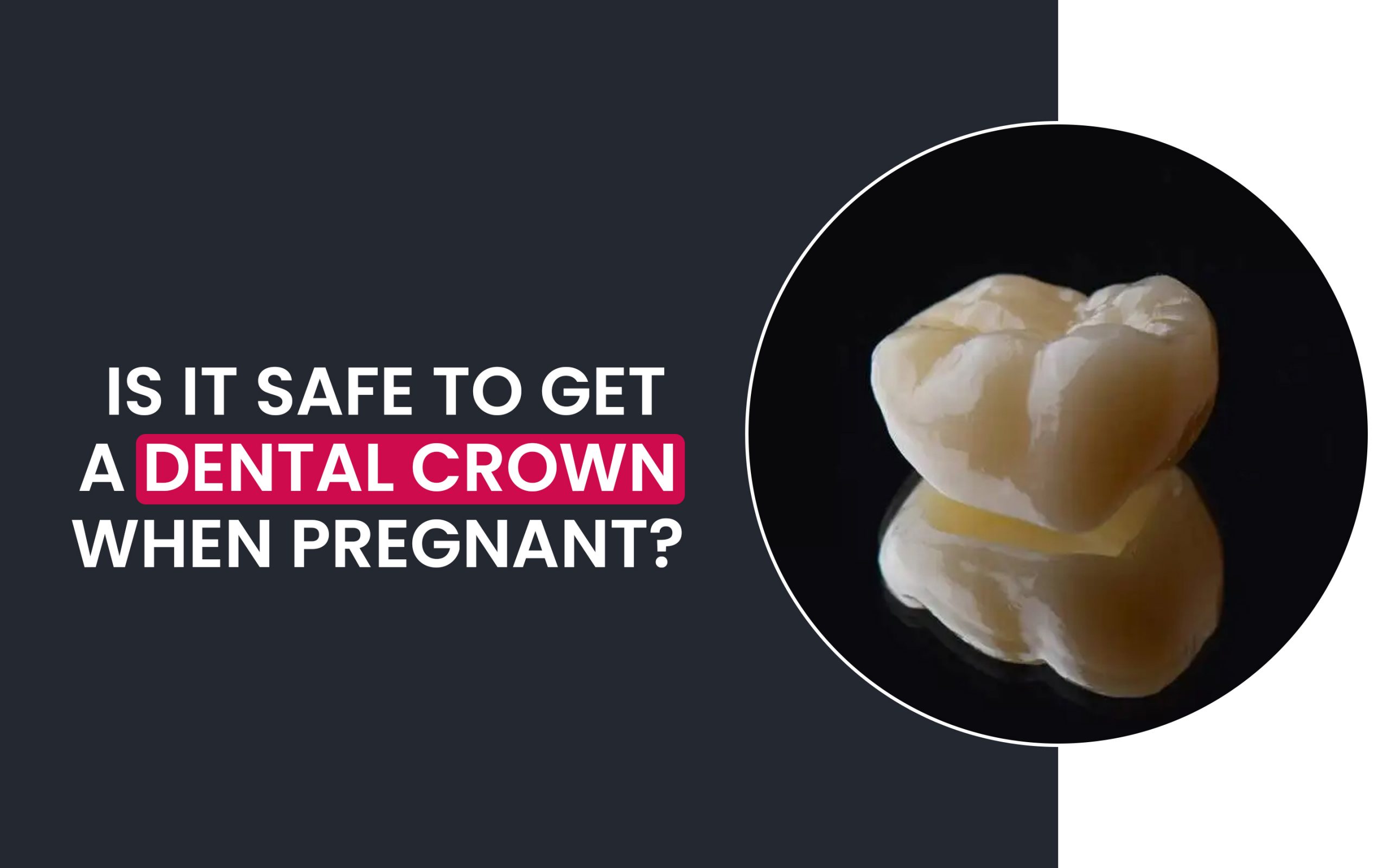
Yes. Dental crowns are generally safe during pregnancy when performed by a qualified dentist with the right precautions in place. Untreated dental problems pose a greater risk to both mother and baby than a properly managed crown procedure.
The timing, the trimester, and the type of anesthesia used all influence how the procedure is approached. Dentists recommend addressing dental issues promptly rather than waiting until after delivery.
Table of Contents
Which Trimester Is Safest for a Dental Crown?
The second trimester, between weeks 14 and 28, is universally considered the safest window for dental procedures. Morning sickness has typically eased, the baby’s major organ development is complete, and you can still lie comfortably in a dental chair.
The first trimester is when the baby’s organs are forming and the risk of miscarriage is highest. Elective procedures are generally avoided unless there is an active infection that cannot wait.
The third trimester is not dangerous for dental work, but lying flat for extended periods becomes uncomfortable and can compress major blood vessels. Short appointments in a slightly reclined position can be arranged when treatment is necessary.
Is Dental Anesthesia Safe During Pregnancy?
Yes. Local anesthesia used for crown procedures is considered safe during pregnancy. Lidocaine, the most commonly used local anesthetic in dentistry, has a long safety record and is used routinely for pregnant patients.
The amount used for a crown is small and localized. It does not cross the placenta in meaningful amounts at standard dental dosages. Your dentist will use the minimum effective amount and appropriate formulations for pregnant patients.
A procedure that is painful or stressful actually poses a greater risk to the pregnancy than a properly administered local anesthetic.
Are Dental X-rays Safe During Pregnancy?
Dental X-rays are considered safe during pregnancy with appropriate shielding. The radiation exposure is extremely low, and a leaded apron covering the abdomen and thyroid is standard practice.
If your dentist already has recent X-rays on file, they may proceed without taking new ones. If X-rays are needed, the risk of having them is significantly lower than proceeding with inadequate diagnostic information.
When Is a Crown Necessary During Pregnancy?
A tooth with significant decay approaching the pulp needs prompt treatment. Left untreated, it progresses to infection, causing systemic inflammation that research has connected to preterm birth and low birth weight.
A cracked tooth at risk of fracturing needs protection before it breaks further. A tooth that has just had root canal treatment needs a crown to seal and protect it from reinfection.
If the crown is purely cosmetic with no underlying dental issue, deferring until after delivery is a reasonable approach.
What Dental Treatments Are Safe During Pregnancy?
Routine cleanings and exams are not only safe but actively recommended. Pregnancy hormones increase the risk of gum disease, making regular professional cleaning more important rather than less.
Fillings for active cavities are safe to perform, particularly in the second trimester. Emergency dental procedures including extractions and root canal treatment are also safe when necessary. Purely cosmetic procedures are generally deferred until after delivery.
What Should I Do If I Have A Dental Emergency While Pregnant?
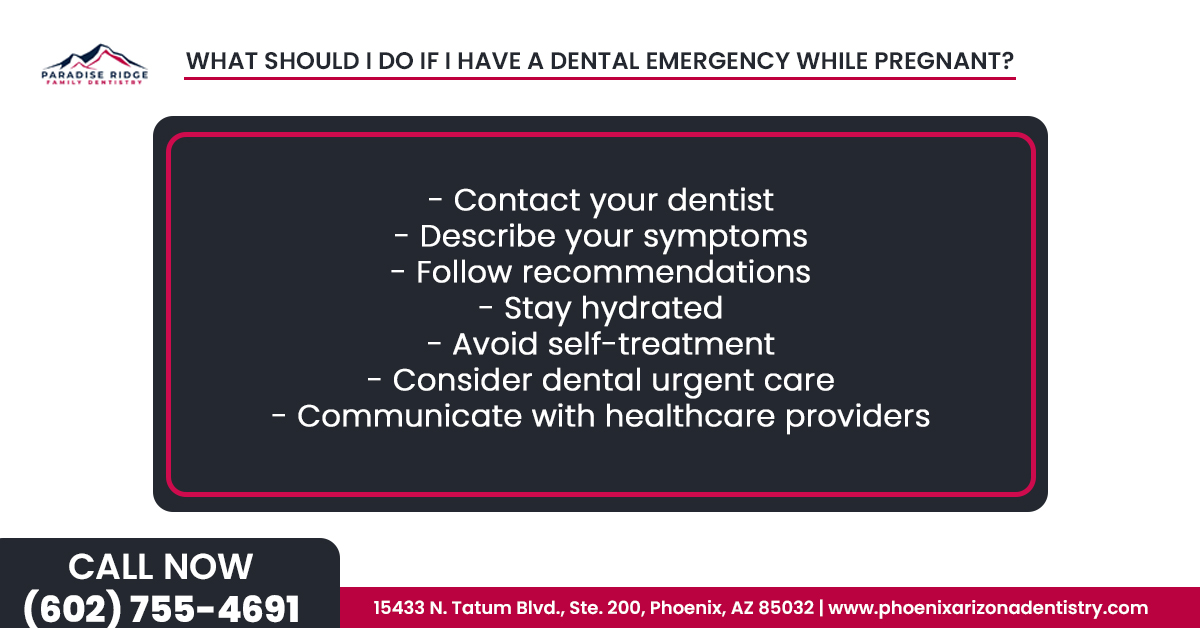
Dental emergencies can occur unexpectedly, causing discomfort and concern, especially during pregnancy. If you experience a dental emergency, such as severe toothache, swelling, or injury to the mouth, it’s essential to seek prompt dental care. Here’s what you should do:
- Contact Your Dentist: Reach out to your dentist as soon as possible to schedule an emergency appointment. Inform them about your pregnancy and the nature of your dental emergency.
- Describe Your Symptoms: Clearly describe your symptoms to the dentist over the phone, including any pain, swelling, or discomfort you’re experiencing. This information will help them assess the urgency of your situation and provide appropriate care.
- Follow Recommendations: Follow any instructions or recommendations given by your dentist until you can be seen. This may include managing pain with over-the-counter medications deemed safe during pregnancy or applying cold compresses to reduce swelling.
- Stay Hydrated: If you’re experiencing dental pain, stay hydrated by drinking plenty of water. Swishing with warm saltwater can also help alleviate discomfort until you can receive professional treatment.
- Avoid Self-Treatment: While waiting for your dental appointment, avoid attempting to self-treat the emergency, such as trying to extract a tooth or applying home remedies without professional guidance. These actions can potentially worsen the situation and cause further complications.
- Consider Dental Urgent Care: If your regular dentist is unavailable or if the emergency occurs outside of regular office hours, consider seeking care at a dental urgent care center or emergency room equipped to handle dental emergencies.
- Communicate With Healthcare Providers: Inform both your dentist and obstetrician about any dental emergency you experience during pregnancy. They can coordinate care and ensure that any treatment provided is safe for you and your baby.
Remember, timely treatment of dental emergencies is essential for relieving pain, preventing complications, and maintaining oral health during pregnancy. Don’t hesitate to seek professional dental care if you encounter any urgent dental issues while pregnant.
FAQs
Can I get a dental crown in the first trimester?
Elective procedures are generally deferred until the second trimester. If there is an active infection or emergency in the first trimester, treatment should not be delayed since untreated infection poses a greater risk than the procedure itself.
Is the numbing injection safe during pregnancy?
Yes. Local anesthesia is considered safe during pregnancy at standard dental dosages. Your dentist will use the minimum effective amount and appropriate formulations for pregnant patients.
Can dental problems affect my pregnancy?
Yes. Untreated gum disease and dental infections have been connected in research to preterm birth and low birth weight. Maintaining good oral health during pregnancy matters for both mother and baby.
Should I tell my dentist I am pregnant?
Always. Your dentist needs to know to adjust anesthesia choices, minimize X-ray exposure, and position you comfortably. Inform them as early as possible and update them on any changes in your health.
What pain relief is safe for tooth pain during pregnancy?
Paracetamol is the recommended over-the-counter option. Ibuprofen and aspirin should be avoided unless specifically advised by your doctor. Contact your dentist rather than managing significant dental pain at home.
Can I delay getting a crown until after I give birth?
A purely cosmetic crown can wait. A crown needed to protect a cracked tooth, cover significant decay, or seal a root canal treated tooth should not be delayed since the underlying problem will worsen.